


Embroidery Placement Guide
Embroidery guide
Embroidery Placement Guide for Polos, Jackets, Hats, and Workwear
Choose embroidery placement that keeps the logo readable, professional, and realistic for the garment.
Quick Answer
What to know before you order
The safest embroidery placements are left chest on polos and jackets, front panel on hats, sleeve or shoulder for secondary branding, and upper back only when the design is built for that area.
Placement should account for garment seams, pockets, zipper lines, fabric thickness, logo detail, stitch count, and how the garment will be worn.
Guide Section
Start with the garment type
Every garment has different decoration space. A placement that works on a polo may not work on a hat or softshell jacket.
Polos and shirts
Left chest is the most common placement because it feels professional and keeps the logo visible without overpowering the garment.
Jackets and vests
Left chest and sleeve embroidery work well when pockets, seams, and zippers leave enough clear space.
Hats and beanies
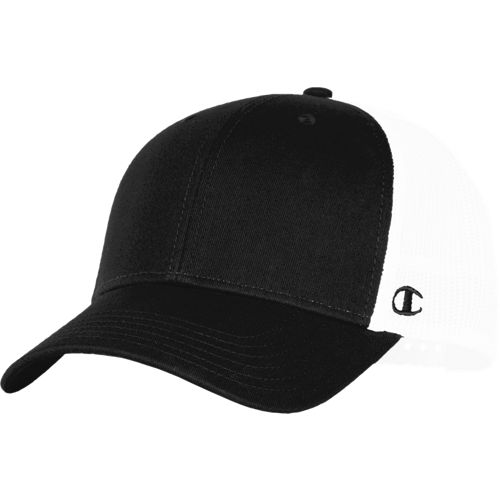
Front embroidery is strong for daily visibility, but small text and detailed logos may need simplification.
Workwear
Choose durable placements that stay readable after repeated use, layering, and washing.
Guide Section
Avoid placement mistakes
The most common issues come from trying to place too much detail in too little space.
Tiny text
Small taglines may need to be removed or enlarged so embroidery stays legible.
Busy logos
Gradients, thin lines, and complex marks may need embroidery-friendly artwork.
Pocket conflict
Pockets, seams, and zippers can shrink the usable embroidery area.
Oversized designs
Large stitch-heavy designs can feel stiff on lightweight garments.
FAQ
Common Questions
What is the most common embroidery placement?
Left chest is the most common placement for polos, jackets, vests, and professional staff apparel.
Can embroidery go on sleeves?
Yes, sleeve embroidery can work for secondary logos, departments, sponsors, or role identification when the garment allows it.
What file is best for embroidery?
Vector artwork is best. A logo may still need digitizing so stitch direction, density, and readability are production-ready.
Need help choosing the right path?
Share what you are trying to build and Black Dog Apparel can help narrow products, decoration, quantities, and timeline before pricing.
Get a Quote